Throwing Shade: How to Wear Monochrome Outfits for Men
Monochrome outfits are simple in theory: pick one color family and build the outfit around it.
The issue is drifting into a sea of bland, blah, and the occasional ‘the fuck is homeboy wearing!?’
Good monochrome outfits for men need separation. Since you are using less color contrast, things like shade, texture, fabric, fit, and layering have to carry more of the visual weight.
That is where monochrome gets kinda fun.
You can wear gray from head to toe without looking like pavement. You can build an entire outfit around navy, olive, brown, or even purple. The goal is not to match every piece perfectly. It is to make the pieces look related without complete homogenization
What Is a Monochrome Outfit?
A monochrome outfit uses one dominant color family across most or all of the clothing.
That does not mean every piece has to be the exact same shade. In fact, doing that will almost certainly have to be intentional and probably expensive.
In stricter color theory, monochromatic color schemes use variations of a single hue. A blue outfit could move from pale blue to navy while still staying within the same basic family.
Fashion uses the term more loosely. Gray outfits, all-black outfits, and tonal neutral looks are regularly described as monochrome even when the color theory definition gets a little fuzzy.
You may also hear the term tonal dressing. In practical menswear, the idea is very similar: use related shades instead of building the outfit around several competing colors.
If you want a broader system for balancing several colors instead, my 50-40-10 color guide handles that.
For getting dressed, the terminology matters less than the visual result, right?
So if your shirt, trousers, jacket, and shoes all sit inside the same color neighborhood, you’re working with a monochrome look.
The challenge now is giving that outfit enough structure.
If you want the color-theory version, Adobe’s guide to monochromatic colors breaks down how shades, tints, and tones all grow from the same base hue.
How to Build a Monochrome Outfit
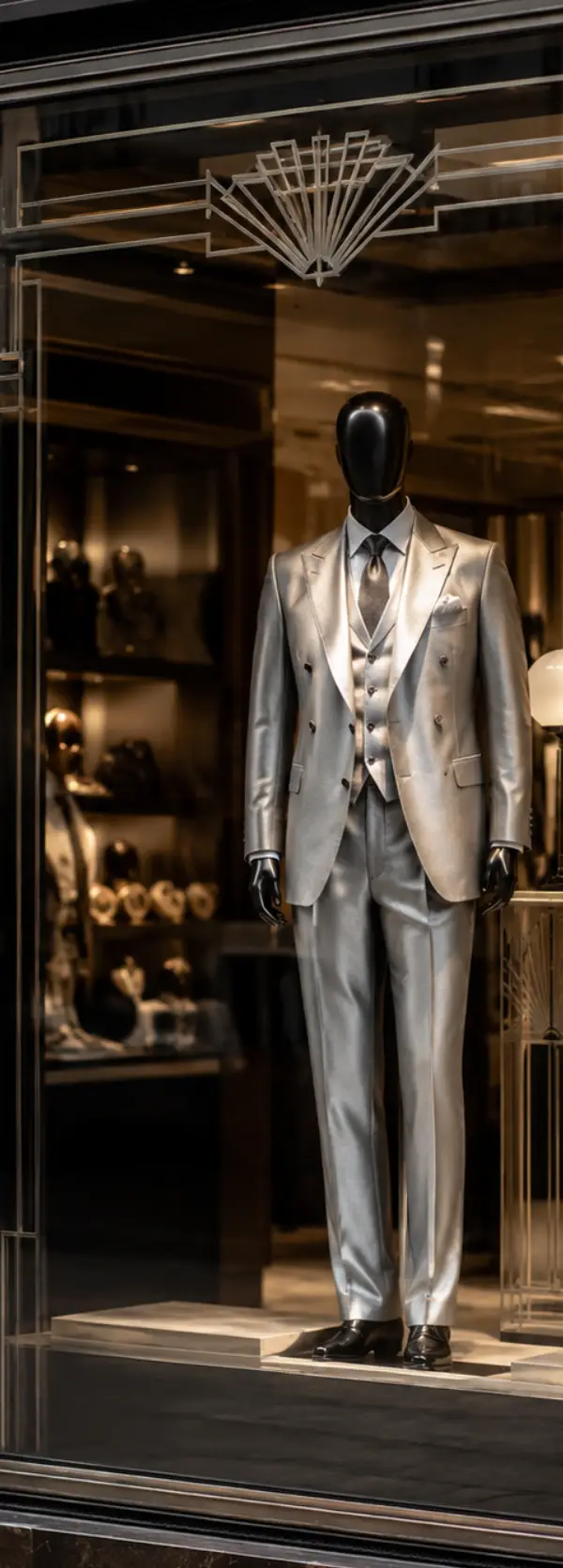
The easiest mistake is hyper-matching everything as closely as possible.
Usually, that produces the opposite effect. Exceptions being high fashion or strong tailoring,
Never try to make every piece identical; give the eye different things to read.
Use Different Shades of the Same Color
Shade is the easiest place to start.
Take a gray outfit.
A light gray sweater with medium gray pants and a charcoal coat creates visible separation while keeping the palette controlled. Your eye can still tell where one garment ends and another begins.
The same idea works with other colors.
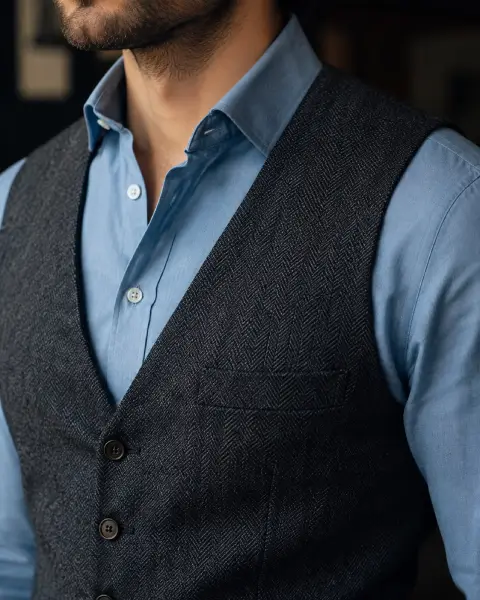
A pale blue shirt can sit underneath a navy jacket. Chocolate trousers can work with a lighter brown knit. Olive pants can sit beneath a darker green overshirt.
You do not need to create a perfect light-medium-dark sequence every time. The point is to avoid having every piece land at exactly the same value.
Slight shade differences can also make an outfit feel more natural. Clothing from different brands, fabrics, and seasons rarely matches perfectly anyway.
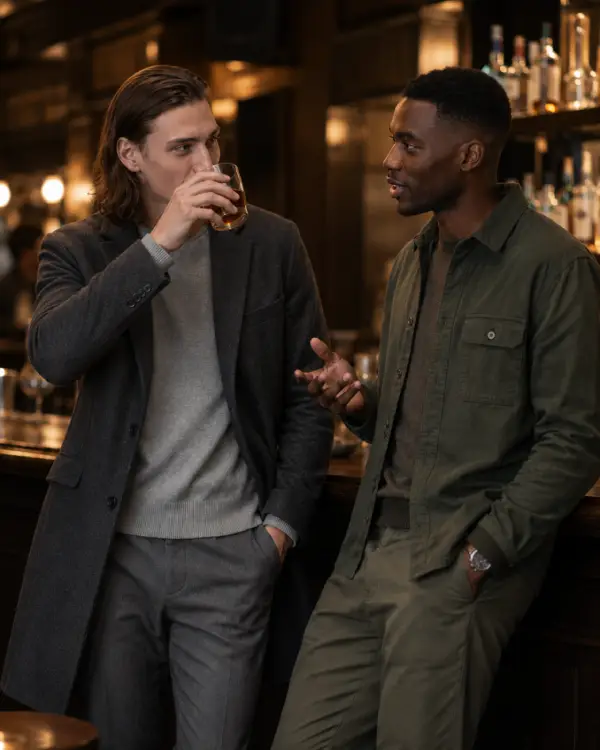
As a general guideline, I like enough separation between shades that each garment reads on its own.
Mix Textures and Fabrics
Texture becomes much more noticeable when color goes mono-toned.
Black denim and black wool read differently. So do brown suede and brown leather. A navy cable-knit sweater has a completely different surface from navy chinos.
That difference gives monochrome outfits depth without adding another color.
Also, try mixing fabrics that react differently to light.
A matte cotton shirt under a smoother jacket creates separation. Suede shoes soften a darker outfit. Knitwear breaks up the cleaner surface of trousers or denim.
Two or three distinct surfaces are usually enough to keep the outfit from looking flat.
Use Fit and Proportion to Create Structure
Color can divide an outfit visually.
Take most of that contrast away, and the shape of the clothing becomes easier to notice.
That makes proportion more important.
A jacket ending at the hip creates a break against the trousers beneath it. A longer coat adds another vertical layer. A tucked shirt creates a cleaner divide through the waist than an untucked shirt hanging over trousers in nearly the same shade.
If you’re also using monochrome to clean up your proportions, my guide on how to look taller for men gets deeper into how color, fit, and trouser lines affect the way your height reads.
Silhouette matters more too.
Pairing relaxed trousers with a more fitted top can create shape even when both pieces are nearly identical in color. The same goes for straight-leg trousers under a shorter jacket or overshirt.
Subtle considerations, dramatic differences.
Small changes in length, width, and shape are enough to keep one-color dressing from becoming one large Minecraft block.
Add Layers
Layering lets shade, texture, and proportion work together.
A navy T-shirt, blue overshirt, and dark navy jacket give the eye three separate surfaces even though the palette barely changes.
The same principle works with browns, grays, greens, and other colors.
Leave enough of each layer visible for it to matter.
If the only thing anyone can see is two inches of nearly identical fabric peeking from beneath a jacket, the layer is technically there, but it is not doing much for the outfit.
Shoes and Accessories With Monochrome Outfits
Shoes can stay inside the color family or act as a controlled break.
Staying tonal creates the strongest monochrome effect.
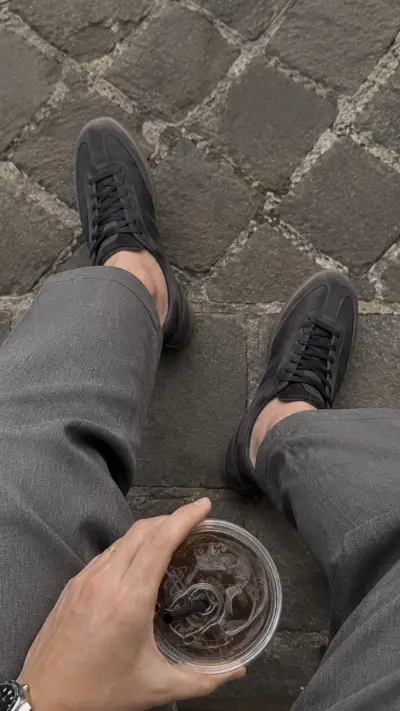
Brown trousers with dark brown loafers, for example, keep the visual line very clean. Gray trousers with charcoal sneakers do something similar.
You can also step slightly outside the palette.
White sneakers with a navy outfit or black shoes with gray clothing can work because the footwear acts like punctuation rather than another distracting storyline.
Accessories work the same way.
A watch strap, belt, bag, glasses, or small piece of jewelry does not always need to match the clothing. It only needs to make sense beside it.
The more accessories you use to break the palette, though, the less monochrome the outfit begins to feel.
Monochrome Outfit Ideas by Color
Gray
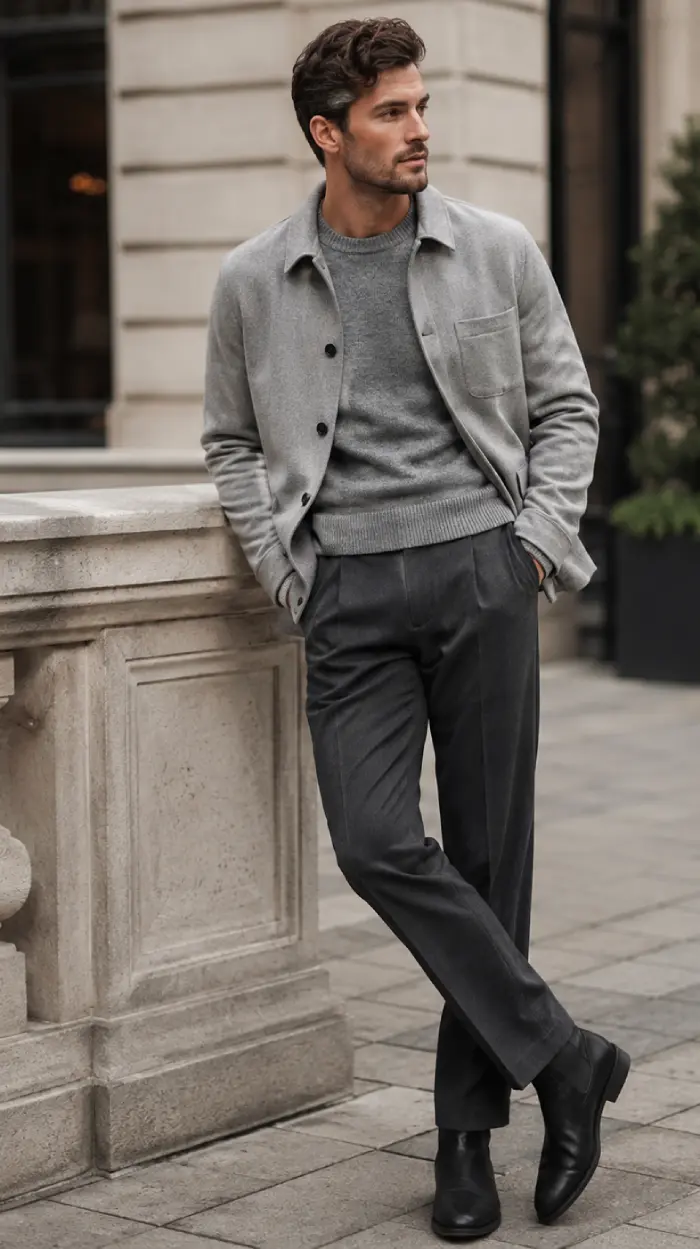
Try charcoal trousers with a medium gray knit and a lighter gray jacket.
Black or dark gray shoes keep the palette grounded.
Gray works particularly well for monochrome dressing because the difference between light and dark values is easy to control without making the outfit feel busy.
Navy and Blue
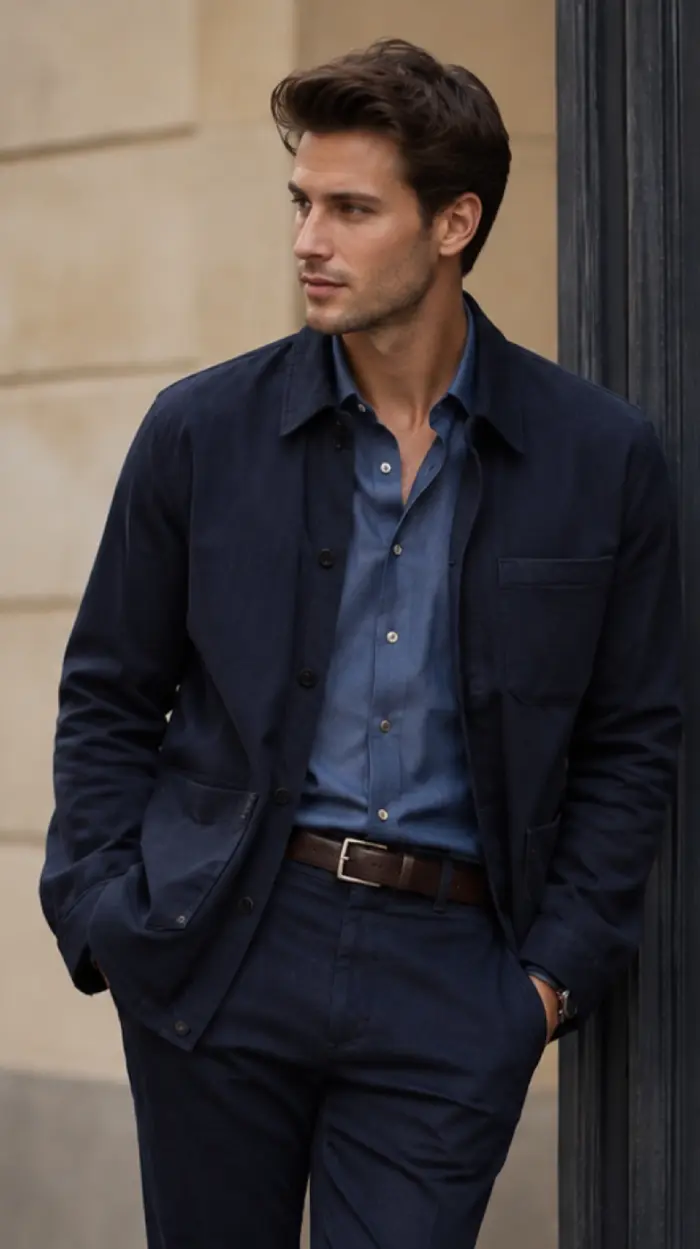
Dark indigo trousers, a medium-blue shirt, and a navy overshirt create a simple tonal progression.
Brown footwear can warm the outfit slightly, while navy or dark blue shoes keep the effect tighter.
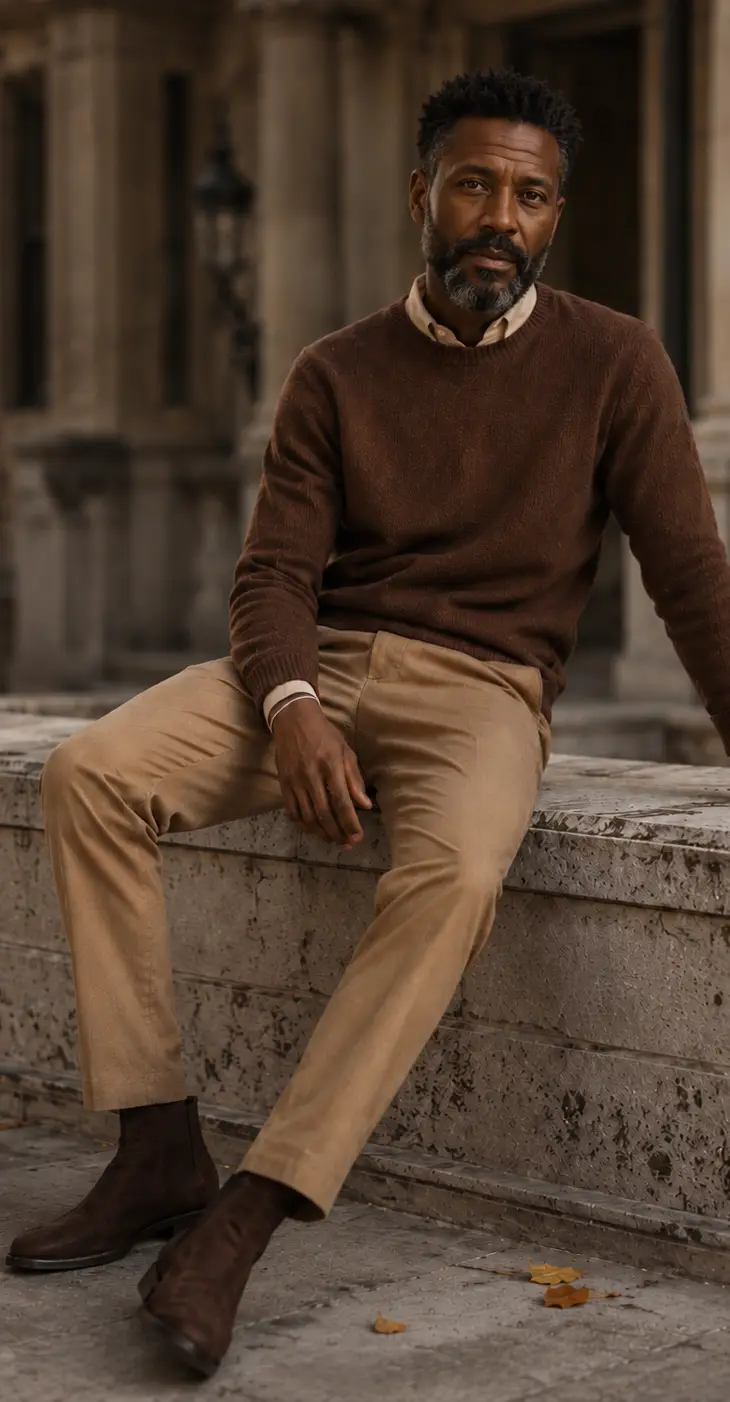
Brown and Tan
Brown gives you a huge range to work with.
Try tan trousers with a medium brown sweater and dark brown shoes. Cream or beige can also sit comfortably beside brown without taking the outfit in a completely different direction.
This is especially useful during fall and cooler weather when suede, wool, corduroy, and heavier knits naturally add texture.
Olive and Green
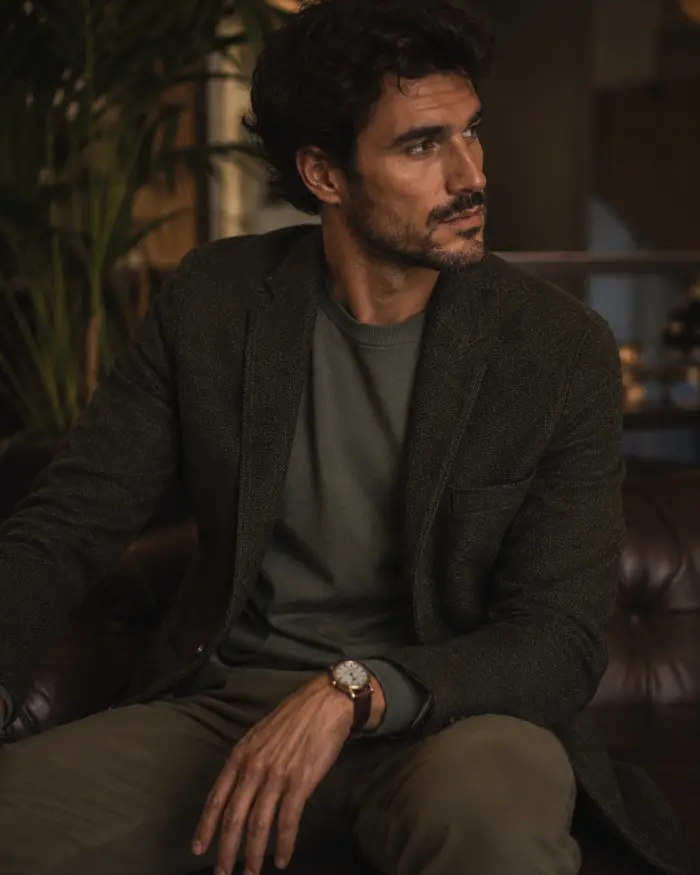
Olive trousers with a muted green shirt and darker green outerwear can create a monochrome outfit that still feels grounded.
The trick is keeping the greens slightly subdued.
Bright emerald trousers and a lime shirt technically live in the same family. Technically is doing some heavy lifting there.
Magnificent bastard
Burgundy and Purple
Monochrome does not have to mean neutrals.
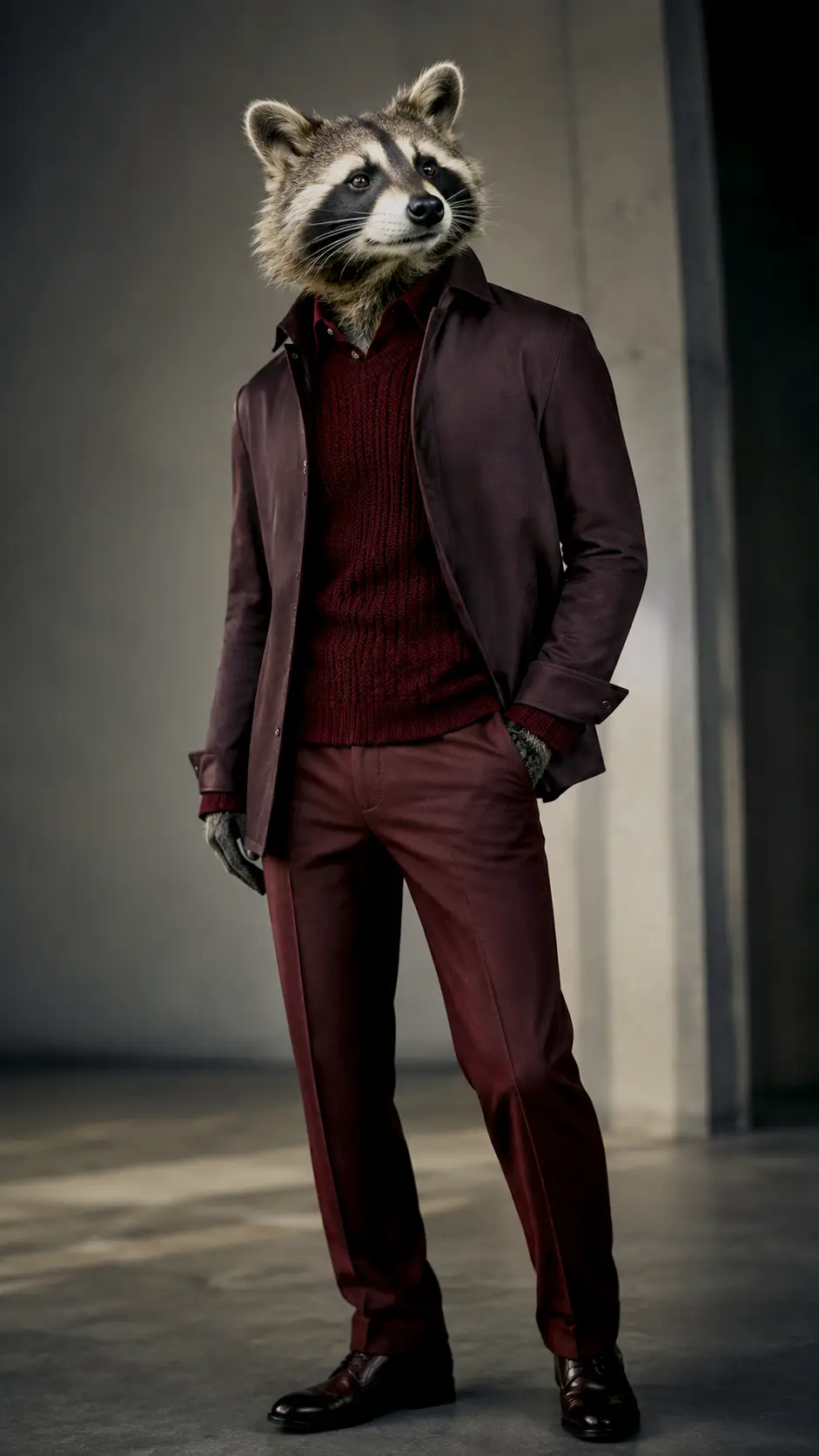
Burgundy trousers with a wine-colored knit or deep plum jacket can work extremely well when the shades stay controlled.
Purple can move from lavender through plum into aubergine.
Oxblood leather for shoes, belts, or watch straps is a no brainer.
This is where bold tonal dressing starts becoming a statement, so keeping the fabrics and silhouette relatively simple can stop the color from taking over the entire outfit.
Common Monochrome Outfit Mistakes
Everything matches too closely.
..nuff said
Every fabric behaves the same exact way.
Three smooth cotton pieces in nearly identical colors give the eye very little to work with.
The proportions disappear.
Long tops over similarly colored trousers can erase the waist and flatten the shape of the outfit.
One contrasting piece takes over.
A bright shoe, belt, or jacket can pull so much attention that the monochrome idea disappears completely.
Monochrome dressing works best when the color stays simple and the clothing does the interesting part.
Different shades. Different surfaces. Clear proportions.
Once those pieces are working together, wearing one color from head to toe stops looking restrictive and starts looking deliberate.