
How to Match Colors in Men’s Clothing: The 50-40-10 Rule
Matching colors in men’s clothing shouldn’t feel like a math test. You don’t need a palette wheel or some influencer’s idea of men’s style tips, whispering about “pops of color” and yelling “Work it, bitch!”
The easiest way to match colors is to build around neutrals, keep the palette tight, and use one accent color when you want some punch.
You want to look sharp? Stop treating your closet like a mood board. Stick to what works.
How to Match Clothes Colors Without Overthinking It
You don’t need a trust fund or a personal stylist to pull this off. You need a simple system, some reliable pieces, and about six colors that don’t fight each other.
Let’s break it down and make your mornings easier.
Best Neutral Colors for Men’s Outfits
Neutrals are your ride-or-die. They never clash, they never judge, and they always make the rest of your outfit look smarter.
Your go-to gang:
Black – Sharp. Formal. Wears power like armor.
White – Clean. Versatile. Looks good on damn near anyone.
Gray – The peacekeeper. Works with everything.
Navy – Classy without trying.
Brown – Rich, grounded, grown.
Beige – Low-key elegant. Understated, not boring.
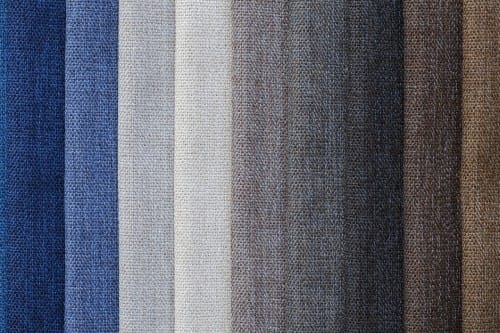
Stacking your wardrobe with these gives you infinite outfit combos without the mental effort.
Want more laid-back wardrobe ideas? Check out our guide to smart casual style Wear for Men.
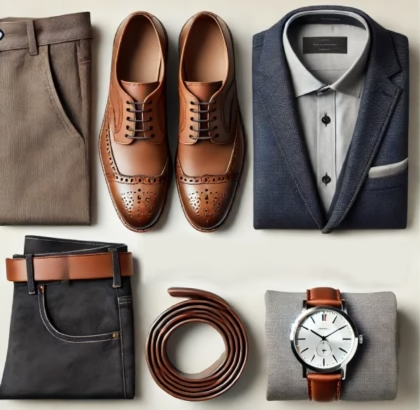
Neutrals | Common Uses |
Black | Suits, pants, jackets |
White | Shirts, tees, sneakers |
Gray | Blazers, jumpers, trousers |
Navy | Suits, chinos, blazers |
Brown | Shoes, belts, bags |
Beige | Chinos, sweaters, coats |
The 50-40-10 Formula

How the 50-40-10 Rule Works
The 50-40-10 rule gives you a rough color ratio so your outfit doesn’t turn into visual noise. Half the look stays grounded in muted neutrals, 40% brings in richer tones or texture, and the last 10% gets to misbehave a little.
Here’s how I’d split it up:
- Muted Neutrals (50%): These do most of the heavy lifting. Pants, outerwear, tees, the stuff you wear constantly. Black, white, gray, and navy are hard to screw up.
- Saturated Tonal Neutrals (40%): This is where the outfit gets some depth. Charcoal blazers, camel coats, navy sweaters, brown shoes. Same general neighborhood, more personality.
- Bold Colors (10%): Keep this part small. A red tie, green scarf, purple pocket square, whatever gives the outfit a little kick without hijacking the whole thing.
Here’s the math in one place:
| Color Category | Percentage | Examples |
|---|---|---|
| Muted Neutrals | 50% | Black pants, white shirt, navy coat |
| Saturated Tonal Neutrals | 40% | Gray blazer, brown shoes, beige chinos |
| Bold Colors | 10% | Red tie, green scarf, vibrant jacket |
You may have seen the 60-30-10 rule floating around too. It’s built on the same basic idea, but I like 50-40-10 for menswear because it leaves more room for neutrals and texture. One accent color gets attention without showing up like it owns the place.
Confused about what matches navy? Our color combo guide for Navy blue pants should clear things up.
How to Build an Outfit With
the 50-40-10 Rule
Don’t build outfits. Assemble uniforms. Things that already work together. No guessing.
Start with your 50% piece. Add a 40% layer or texture. End with a 10% flex.
Need inspo? Our spring outfit guide for men shows how to layer like it’s second nature.
Accessories pull it all together. Belt, watch, pocket square.. tiny detail, big payoff.
Want to upgrade with accessories? Our guide to men’s chains shows you how to pull it off without looking try-hard.
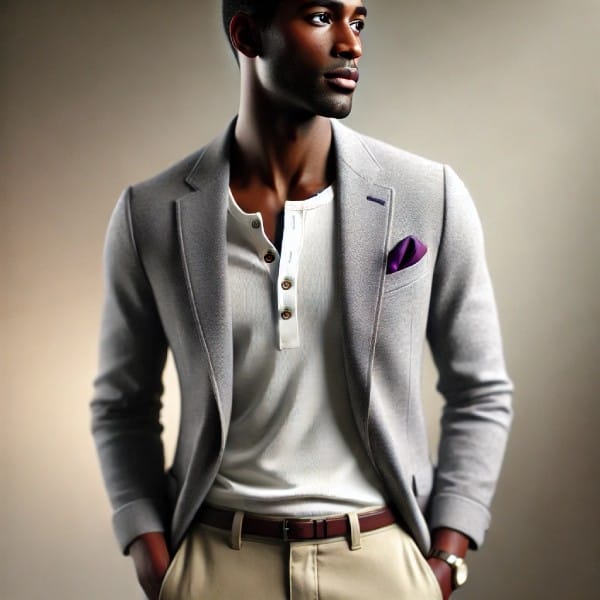
This outfit does the math without looking like it did. The white shirt and beige trousers keep most of the look quiet, the gray blazer adds another neutral layer, and that purple pocket square gets the small hit of color. Nothing is screaming for attention. It all gets along.
When to Break the 50-40-10 Rule
The 50-40-10 rule isn’t law. Some outfits look better with two colors. Others can handle more because most of them are neutrals. If the outfit already feels balanced, don’t start doing percentages in your head like Rain Man at Men’s Wearhouse.
Hell, you can take that restraint even further and stay inside one color family; that’s where monochrome dressing comes in.
The real trick is owning clothes that get along with the rest of your closet. That gives you room to play without starting from scratch every morning.
- Versatile pieces: A navy blazer, good jeans, white shirts, neutral trousers. Stuff that works with half your closet earns its keep.
- Layering: A sweater, overshirt, or jacket can shift the color balance without changing the whole outfit.
- Accessories: Watches, belts, socks, and pocket squares are easy places to sneak in color without going full peacock.
How Many Colors Should a Man Wear in One Outfit?
Two or three visible colors is plenty for most outfits. One can do most of the work, another backs it up, and the third gets a smaller role.
Neutrals make that stupidly easy. Navy, gray, white, black, brown, and beige can sit together without becoming a bag of Skittles. You can technically wear more than three colors, especially when most of them are muted, but once several bright colors start competing for attention, things get messy fast.
That’s why the 50-40-10 rule works so well. It gives the colors different jobs instead of letting all of them fight for the microphone.
The Real Victory
Style is a cheat code. Not for impressing other people, but for becoming the guy you see in your head when you feel most like yourself.
The fashion industry wants you confused and insecure because that’s how they sell you $300 t-shirts. But confidence doesn’t come from a price tag. It comes from knowing you’ve got your basics locked down and you look exactly how you want to look.
Six colors. Three ratios. Zero bullshit.
Now go make them look twice.
Speaking of history, “Miss the 90s? Or never lived ‘em but wish you had? My guide to Men’s 90s Clothing & Style breaks down the fits, tribes, and rules so you can wear it now without looking like you’re headed to a costume party.”