
Summer Suits For Men: Fabrics, Colors, And Hot-Weather Rules
Summer suits are a bit tricky because most guys are working with the wrong mental picture.
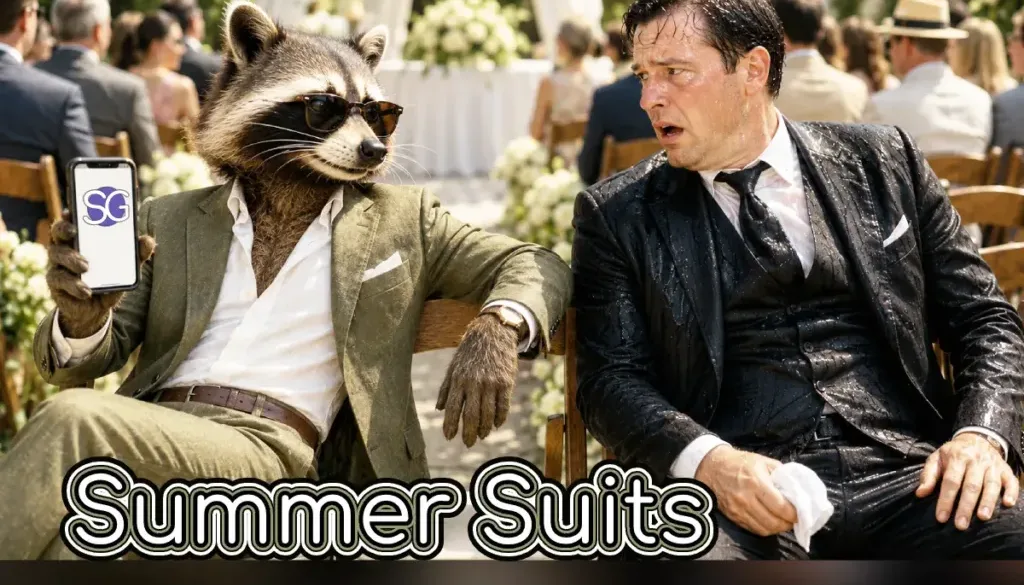
They hear “suit” and think of the same dark wool uniform they wear to interviews, funerals, and meetings where everyone pretends the room is really important. Then July shows up, the sun starts throwing shade in the most literal fucking way possible, and that same suit turns into a portable notch-labeled death sauna.
A summer suit is different. The fabric matters. The lining matters. The color matters. The fit always, always matters. Even the shirt underneath can make the difference between “sharp guy at the event” and “man pickling himself in humidity.”
This guide is about what really works when the weather is hot, and the sadistic-sounding dress code still exists.
What Makes a Good Summer Suit?
For a good summer suit, start with fabric.
You want something lightweight, breathable, and built with warmer weather in mind. That usually means a looser weave, softer construction, and a jacket that is half-lined or unlined. A fully lined jacket can look clean, but in June, it’s kinda stupid, even in a pinch.
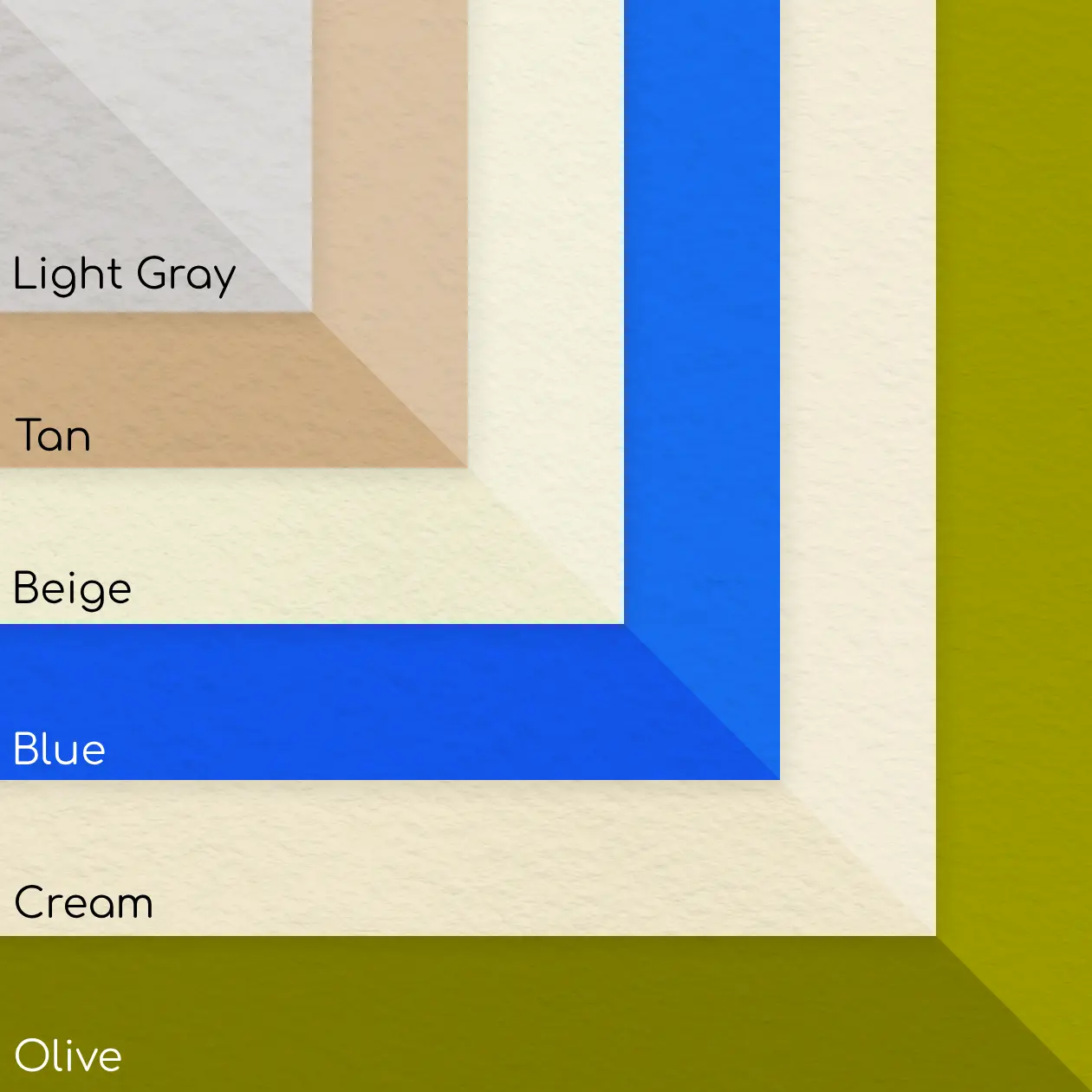
Color helps a lot. Lighter colors reflect more heat and tend to look more natural in summer settings. Light grey, tan, beige, blue, cream, and olive usually feel more seasonal than black or dark charcoal.
Also, fit matters just as much, if not more, in summer suits as it does in standard mild weather or winter dress. You see, a summer suit should not cling to your body as if you showered in it. You still want shape, but you need room for air to move. Tight pants, tight sleeves, and a jacket pulling across the chest are bad in any season. In summer, they are so much worse because sweat makes every mistake louder and more uncomfortable. I am writing this from Florida, speak from personal experience.
Best Summer Suit Fabrics for Men
Fabric is the heart of all summer suits for men. You can pick a great color and still suffer if the material is wrong.
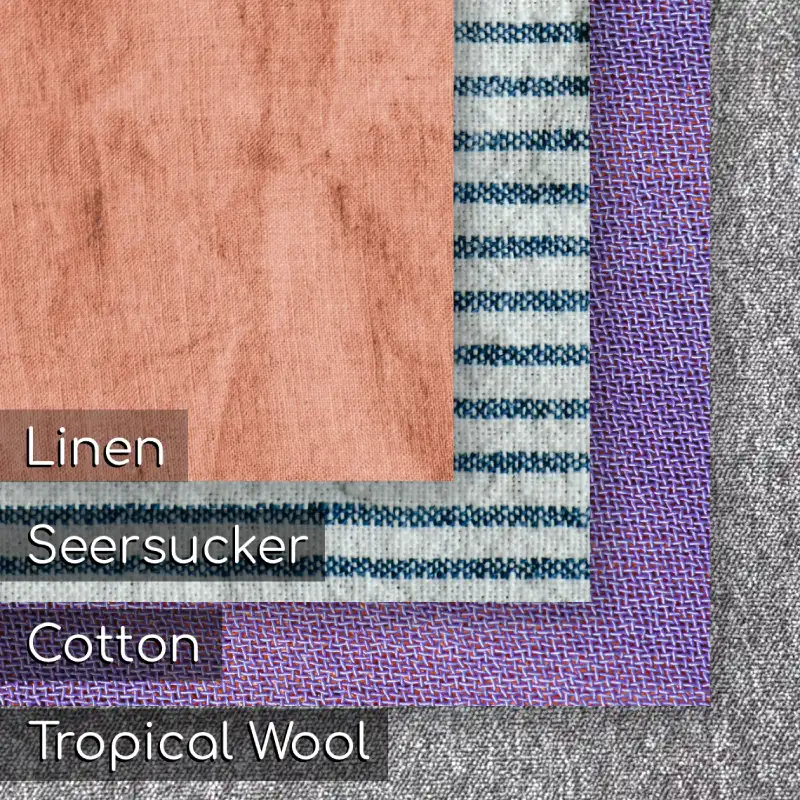
The main options are linen, cotton, tropical wool, seersucker, and blends. Each one has a job. Each one has a weakness. The trick is picking the right fabric for the event, not pretending one Swiss Army suit can handle every summer situation perfectly.
Linen Suits
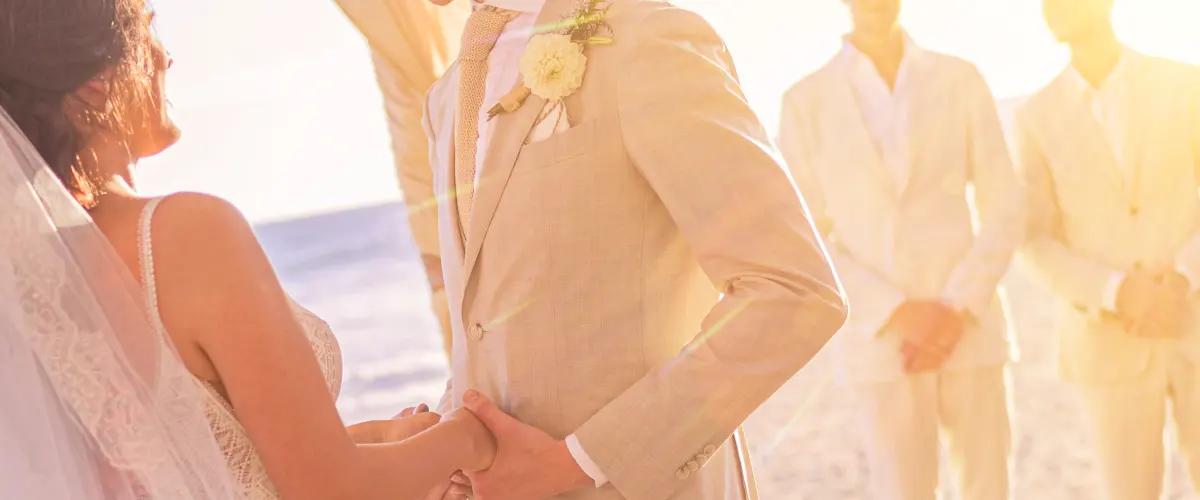
A summer linen suit is the classic warm-weather move for a reason. Linen breathes beautifully, feels relaxed, and looks right at beach weddings, garden parties, outdoor dinners, and vacation settings.
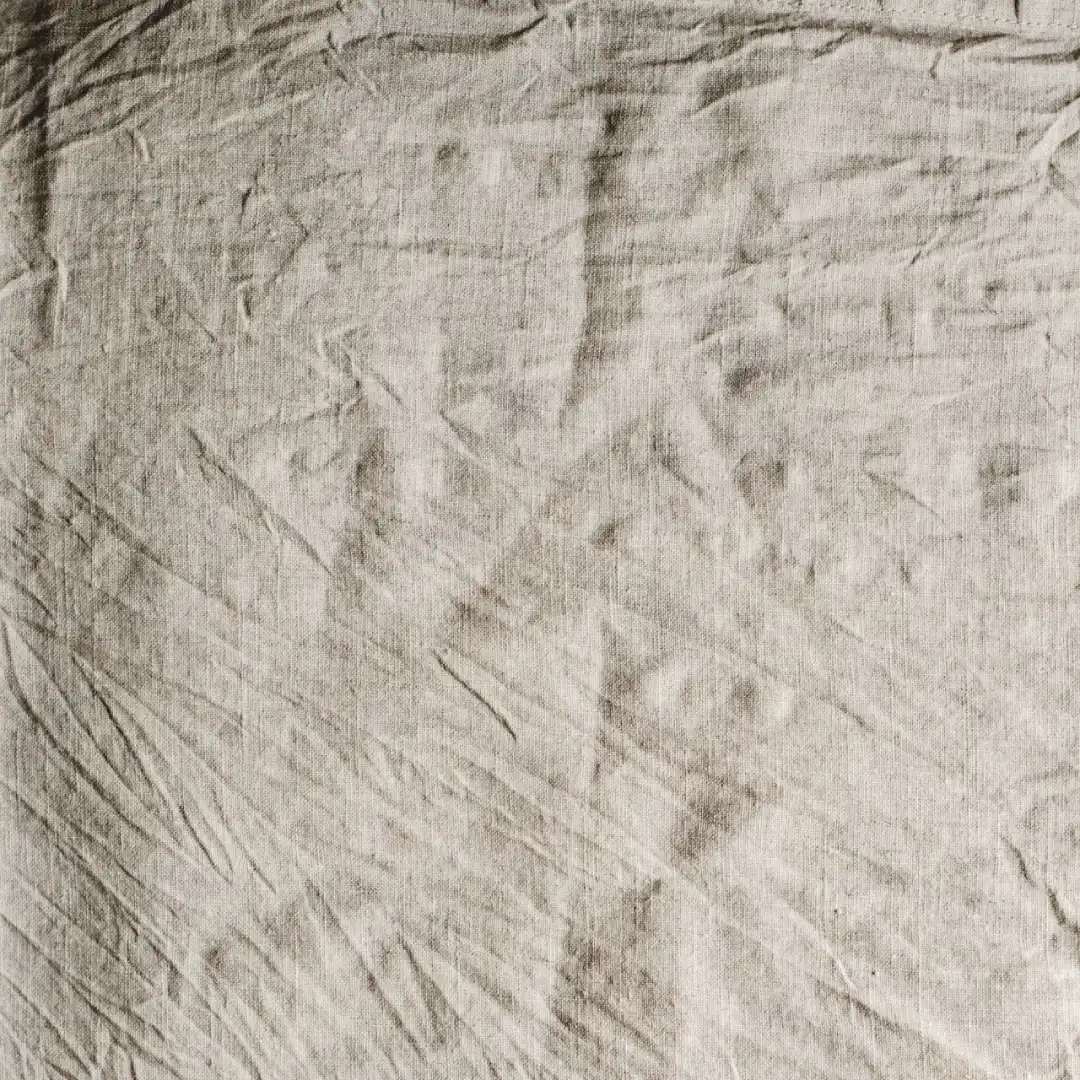
The tradeoff is wrinkles. Linen wrinkles like an elephant on Ozempic. That is part of the charm, within reason. A little rumple says summer. Add a bad fit plus a crushed jacket, and it says you slept in the Uber.
Linen, as with all fabrics, works best when the styling is intentional. Keep the shirt clean, the shoes appropriate, and the fit controlled. Tan, cream, light blue, olive, and soft grey linen summer suits for men can look excellent when the event has a relaxed dress code.
Linen has a long history as a warm-weather fabric because it dries quickly and helps reduce heat retention in hot conditions, which is exactly why it keeps showing up in summer tailoring.
The mistake is expecting linen to act like wool. It will not.
Buy linen because you want breathable ease, definitely not because you want razor-sharp creases all day. By the end of the evening, a linen suit says, “yep, I certainly had a day.”
Tropical Wool Suits
Most everyone would hear “summer wool suit” and immediately think, absolutely not, I’m not wearing an airfryer. Fair reaction. Wrong fabric assumption.
Tropical wool is not the same thing as a heavy winter wool. It is lighter, smoother, and woven to breathe better. For men who are looking for polish, tropical wool is probably the best all-around summer suit fabric.
It works for summer weddings, offices, formal daytime events, and situations where linen would look too relaxed. It also drapes better than most linen and cotton, which helps the suit look sharper for longer.
So if you want a one-and-done, lightweight summer suit that can handle the widest range of situations, start here. Light grey, medium blue, and muted navy tropical wool suits are useful without looking like you are trying to be the main character at someone else’s event.
Cotton Suits
Cotton suits for summer sit between linen and wool. They usually look crisper than linen and less formal than tropical wool, which makes them useful for smart casual offices, daytime events, and relaxed summer date nights.
A summer cotton suit can be a strong middle-ground option. It has structure, but it does not usually feel as dressy as wool. It works with everything from loafers, knit polos, open-collar shirts, and other less stiff styling choices.
The downside is that cotton can wrinkle, and some cotton suits can be heavier than they look. Fabric weight matters off the rack. A thick cotton suit in August with no breathability is not the move.
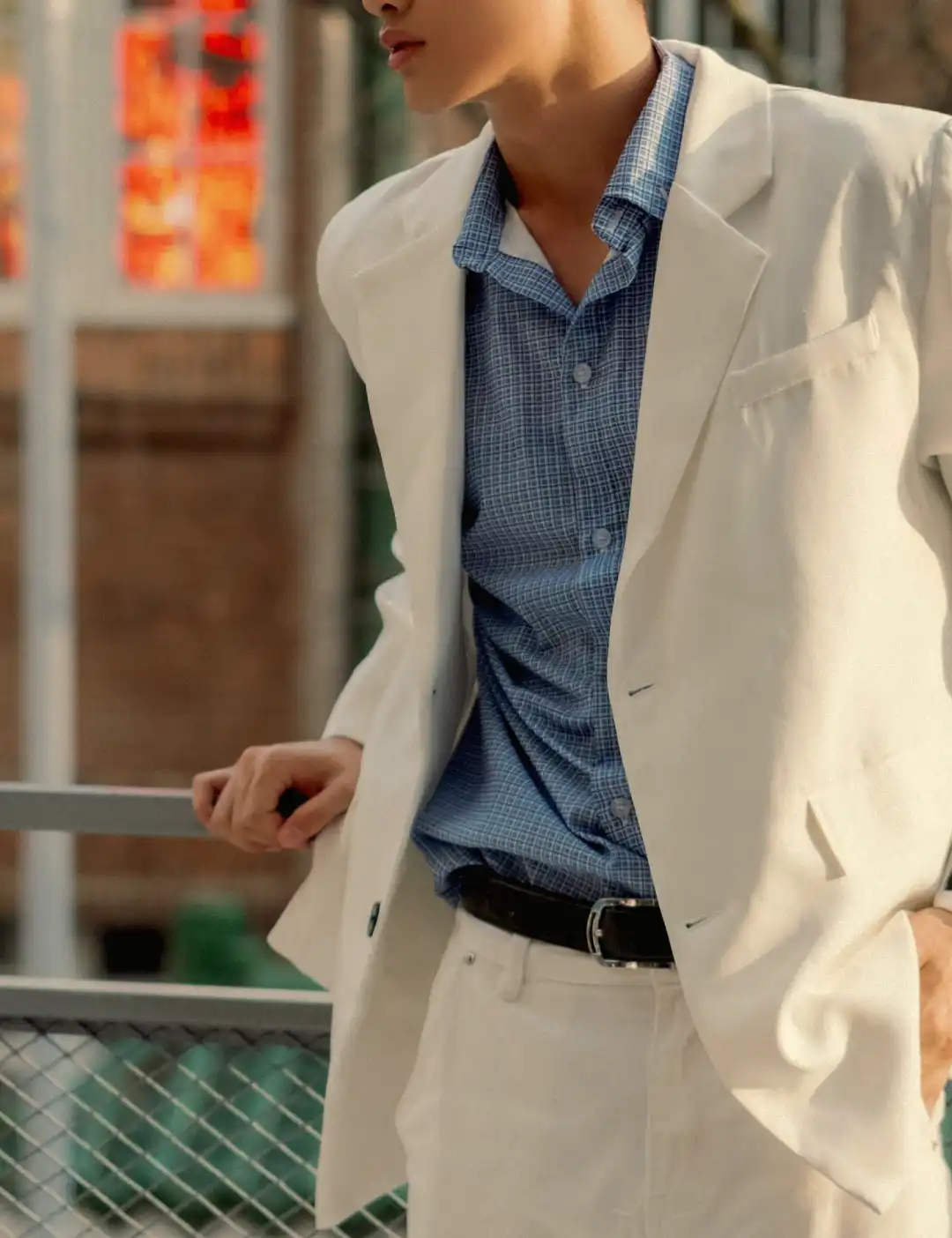
Cotton is best when you want a casual summer suit that still feels put together. It is not always the coolest fabric, but in the right weight and cut, it can be one of the easiest to wear.
Seersucker Suits
A seersucker suit has a puckered, pillowy texture that keeps some of the fabric off your skin, which helps airflow. That texture is the whole point. It is light, casual, and very summer ratios.

Seersucker works perfectly for daytime events, outdoor parties, casual weddings, and most warm-weather settings where a regular suit feels too serious. It also has that Southern and preppy association, which can be good or bad depending on how hard you push it.
The danger is overstyling. A seersucker suit, bow tie, loud pocket square, colorful shoes, and giant personality can tip into costume pretty fast.
Keep the rest a bit more restrained. White shirt. Simple loafers. Maybe a quiet pocket square. Let the fabric have its moment without turning yourself into a barbershop quartet.
Blended Summer Suit Fabrics
Blended fabrics can be excellent. Linen-cotton, cotton-linen, wool-linen-silk, and lightweight wool blends can give you breathability, shape, and fewer wrinkles than pure linen. Mix and match, try to collect them all!
Some stretch blends can also work, especially for travel or long days. The problem starts when the suit is packed with synthetic fabric and lined like a couch. Warning: Polyester-heavy blends can trap heat, even when the suit looks light on the rack. So mind the fabric ratios if you want the best of both worlds.
Check the fabric composition. Check the lining. Feel the jacket. If it feels stiff, plasticky, or strangely heavy for the season, trust your hand. The tag may be whispering “summer,” but your body will be muttering soggy expletives.
Best Summer Suit Colors
Summer suit colors should work with the season, the event, and most importantly your skin tone. Don’t go all Easter centerpiece, but summer gives you permission to have fun and move away from the standard funeral-adjacent palette.
A grey summer suit is one of the safest choices. A light grey feels clean, flexible, and easy to dress up or down. Gray summer suit, grey summer suit, same thing, the spelling is irrelevant when it’s 102°F / 38.9°C.
If coordinating the suit, shirt, shoes, and accents is the part that gets messy, use my 50-40-10 color rule.
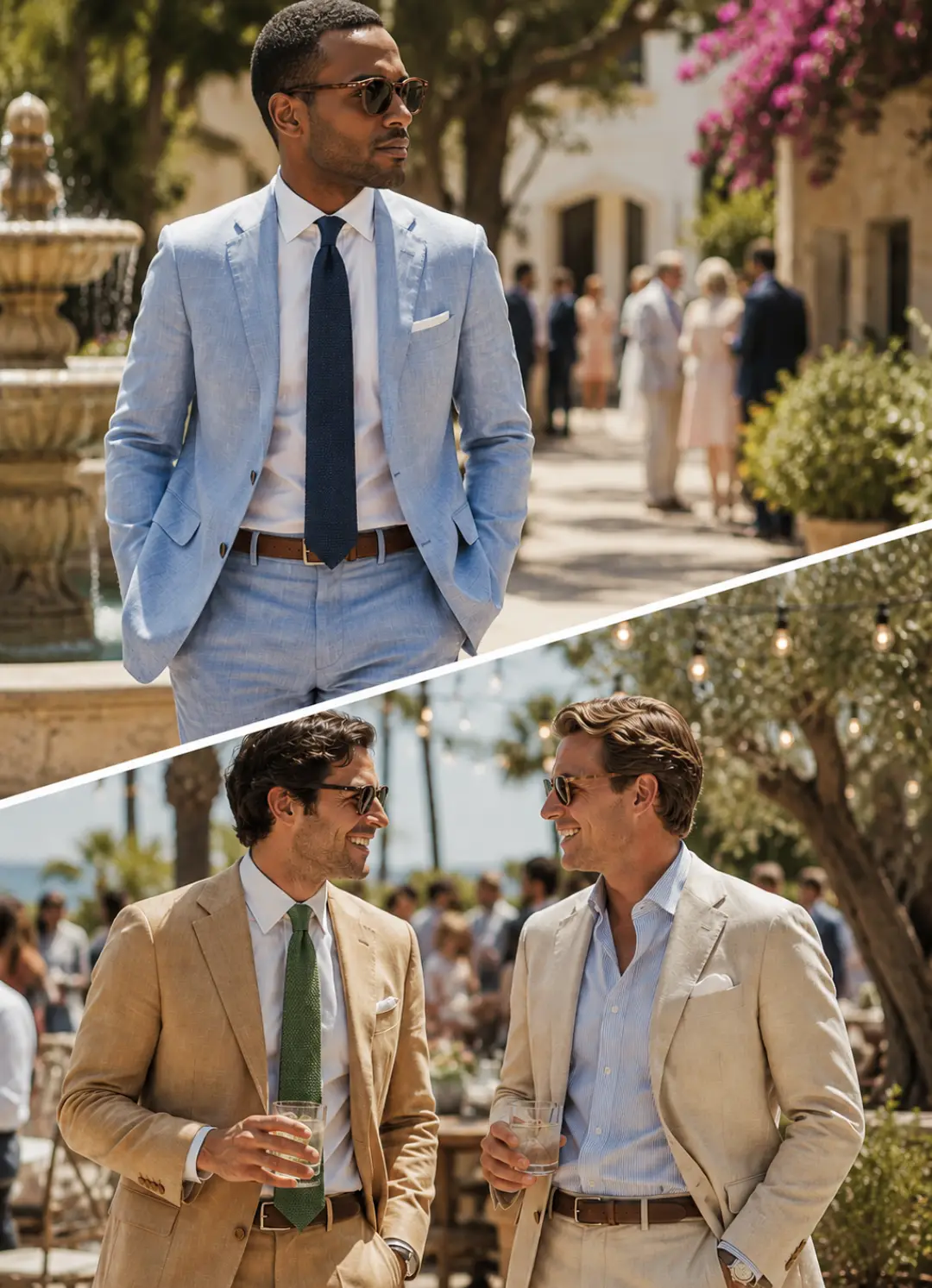
A blue summer suit is also a strong option in most cases but this needs to be kept light. Medium blue and light blue look less severe than navy and work well for weddings, daytime events, and any warm-weather events. Navy can still work, especially in the evening or for more formal events, but lighter blues feel more summery.
A beige summer suit or tan suit is great for beach weddings and outdoor dinners. The risk here is that, depending on your skin tone and secondary colors, you can look washed out. So pay attention to the shirt and shoes. White, light blue, and soft pink shirts can work pretty well here too.
Cream or off-white can look sharp, but it’s a little risky. It draws attention, stains very easily, and can potentially feel too loosely bridal-adjacent at weddings. Wear it with caution and only when the setting makes sense.
A green summer suit, especially olive or sage, can be excellent. It feels seasonal without demanding. Olive works particularly well for garden weddings, outdoor parties, and date nights when blue and grey may feel too average. My personal pick is olive.

Black = no, unless the dress code demands it. It absorbs heat, looks heavy, and often feels too formal for sunny events. At night, black can work. At a daytime outdoor event, it can make you look like security or the help.
If you’re tired of guessing what all these dress codes mean, start with learning how to dress with intention.
Summer Suit Fit and Construction Rules
For suits for hot weather, after fabric and color, construction matters most.
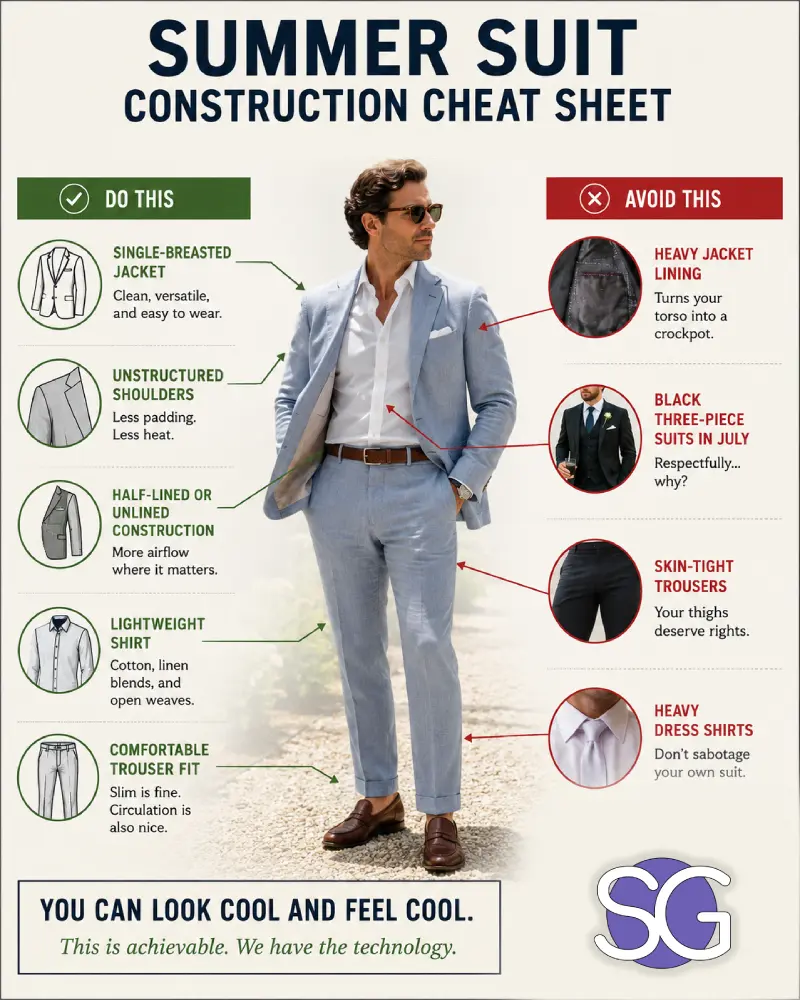
A single-breasted suit with an unstructured, half-lined, or unlined jacket is the safest bet for most men. It is comfortable, versatile, and easier to wear in warm weather.
Double-breasted jackets and three-piece suits can work, but they run warmer and are usually not the best first choice.
Give your trousers a little room, wear a lightweight shirt, and let the suit do its job.
You can look cool and feel cool. This is achievable. We have the technology.
Give your trousers a little room, wear a lightweight shirt, and let the suit do its job.
Need a shirt that plays nicely with summer tailoring? A chambray shirt is one of the easiest pieces a guy can own. It’s comfortable, versatile, and looks right at home with many of the colors we’ve covered here. Take a look at my Chambray Shirt Guide for ideas.
What Suit Should You Wear to a Summer Wedding?
A summer wedding suit depends on the dress code first. Always. The invitation outranks your personal fantasy of arriving in a cream linen three-piece suit with a cane.
| Wedding Type | Best Fabrics | Good Colors |
|---|---|---|
| Beach | Linen, seersucker, linen blends | Tan, cream, light blue |
| Garden | Tropical wool, cotton, linen blends | Blue, sage, olive, light grey |
| Formal | Tropical wool | Navy, grey, blue |
| Evening | Tropical wool | Navy, charcoal |
The short version: Match the formality first, then choose the coolest fabric within that lane. Never outdress the groom.
For the formality side, Emily Post’s attire guide is a solid reference because it breaks down classic dress codes from casual to white tie without turning the whole thing into etiquette theater.
Summer Suit Mistakes That Make Men Look Bad
Most summer suit mistakes come from ignoring either the heat, the dress code, or the mirror.
Avoid these:
- Wearing a fully lined dark suit in brutal heat. Your jacket is not a toughness test.
- Buying linen and expecting it to stay crisp all day. Linen wrinkles. That is the deal.
- Choosing by color alone. A light-colored polyester suit is still polyester.
- Going too tight. Slim is fine. Suffocated is not.
- Going too big. Baggy summer suits give you the “before it gets tailored” look.
- Wearing heavy black shoes with a light suit. Loafers, suede derbies, lighter brown shoes, or minimal dress shoes usually work better.
- Ignoring the dress code. Being underdressed because “it’s hot” is still being underdressed.
- Going full beach-wedding costume. Linen suit, open shirt, bracelets, hat, loud pocket square, sunglasses indoors. Congratulations, you’re “that one guy with the glasses and the big ass hanky.”
The Best Summer Suit for Each Situation
| Occasion | Best Suit Fabric |
|---|---|
| Outfit 1 | |
| Work | Tropical wool or a lightweight wool blend in light grey, blue, or navy |
| Outfit 2 | |
| Wedding guest | Light grey or blue tropical wool, adjusted to the dress code |
| Outfit 3 | |
| Beach wedding | Linen, seersucker, or a linen blend in tan, cream, or light blue |
| Outfit 4 | |
| Date night | Cotton-linen blend, olive suit, blue suit, or lightweight wool |
| Outfit 5 | |
| Travel | Wrinkle-resistant blend, lightweight wool, or cotton blend |
| Outfit 6 | |
| Outdoor events | Seersucker, linen blend, or breathable cotton |
| Outfit 7 | |
| Men who sweat | Tropical wool, open-weave wool, seersucker, or a linen blend based on formality |
This is where the mens suits for summer searches get messy, because the best answer depends on the event. A man’s suit for summer should be chosen by the actual conditions: heat, formality, and how long you’ll be wearing it. Color alone is not enough.
Final Verdict: What Summer Suit Should Most Men Buy?
Summer suits don’t have to mean suffering for style.
Men, all year we’re tasked with battling the elements and looking snazzy while doing it.
Pick a breathable fabric, choose a smart color, coordinate it with colors that work, keep the fit comfortable, respect the dress code, and remember that confidence looks a lot better than heat exhaustion.
That’s really the whole game.
…Also, I made it through this entire post without mentioning how fun it is to say seersucker.
Seersucker.
See? It’s fun.