
Glasses on Face Shapes: 5 Frames That Flatter Your Face
Ever notice how some guys put on glasses and suddenly look ten times more put together? It usually isn’t because the frames are expensive. It’s because the shape of the glasses works with the shape of their face.
Finding the best glasses for your face shape mostly comes down to balance. Rounder faces often benefit from sharper lines, while angular faces usually look better with softer curves. The same rule applies to sunglasses.
I wore glasses from grade school until I got LASIK at 40, so I’ve tried more frame styles than I care to admit. The right pair can make your face look sharper, more balanced, and more intentional. The wrong pair can make your head look like it was assembled during a lunch break.
Here are five classic frame styles, the face shapes they suit best, and why they tend to work.
Which Glasses Look Best on Each Face Shape?
- Round: Softer curves with similar width and length
- Oval: Slightly longer than wide, with balanced proportions
- Square: A broad forehead, strong jaw, and straighter sides
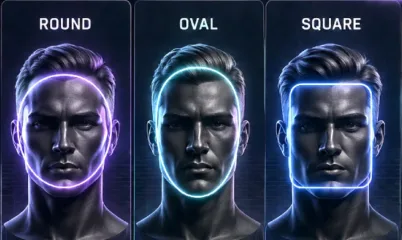
- Heart-shaped: A wider forehead that narrows toward the chin
- Diamond: High cheekbones with a narrower forehead and jaw
- Long or oblong: Noticeably longer than wide, often with straighter sides
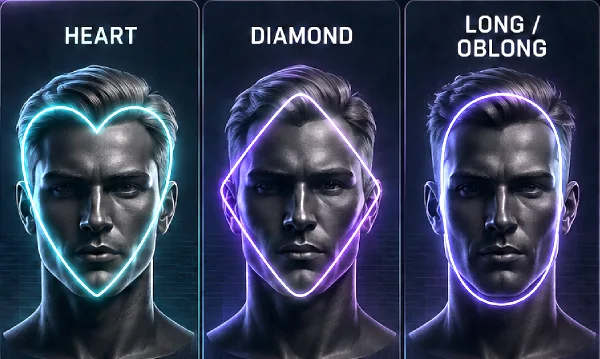
You do not need a perfect match. Most faces borrow traits from more than one shape. Pick the description that comes closest, then use your frames to create balance.
Rounder faces usually benefit from sharper lines. Square and angular faces often suit curved frames. Long faces tend to look better with taller lenses, while heart and diamond faces usually work well with styles that draw attention toward the eyes.
Once you know the general shape, choosing glasses becomes a lot less random.
Quick Guide to the Best Glasses for Your Face Shape
Here is the quick match before we get into the individual frame styles:
- Round faces: Rectangle, wayfarer, and browline frames add definition.
- Oval faces: Most styles work, though very narrow or oversized frames can throw off the proportions.
- Square faces: Round, oval, and aviator frames soften stronger angles.
- Heart-shaped faces: Aviators and round frames help balance a wider forehead and narrower chin.
- Diamond faces: Oval, round, and browline frames draw attention toward the eyes.
- Long or oblong faces: Taller lenses, deeper frames, and browline styles help keep the face from looking longer.
Best Glasses for Round Faces
1. Aviator Glasses for Square and Heart-Shaped Faces
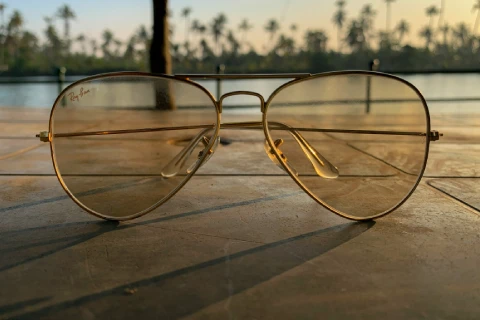
Aviator glasses were first designed for military pilots in the 1930s, but the teardrop shape stuck around because it works on a wide range of faces.
They are especially flattering on square faces because the curved lenses soften a strong jaw and straighter features. On heart-shaped faces, the wider upper frame helps balance a broader forehead and narrower chin.
Choose a pair that is roughly as wide as your face. Frames that extend too far past the temples can look oversized, while lenses that sit too low may make the face appear longer.
What people see: Classic confidence.
2. Wayfarer Glasses for Round and Oval Faces
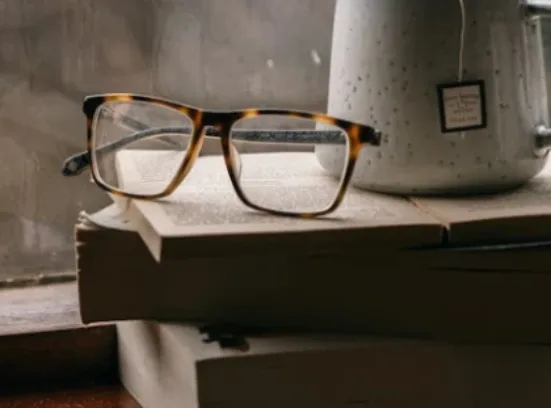
Wayfarer glasses have a wider upper edge and slightly angled sides, which gives softer faces more shape without looking too severe.
They work especially well on round faces because the straighter lines add definition and help the face appear a little longer. Oval faces can also wear them easily, though the frame should still match the width of the face.
Avoid pairs that are too narrow or overly chunky. Narrow frames can make the cheeks look wider, while heavy frames may overpower smaller features.
What people see: Approachable, confident, and slightly harder to ignore.
3. Round Glasses for Square and Heart-Shaped Faces
Round glasses work best when your face already has strong angles. The curved lenses soften a square jaw and take some weight away from broader features.
They also suit heart-shaped faces by balancing a wider forehead and drawing attention toward the center of the face. The effect is softer without looking overly delicate.
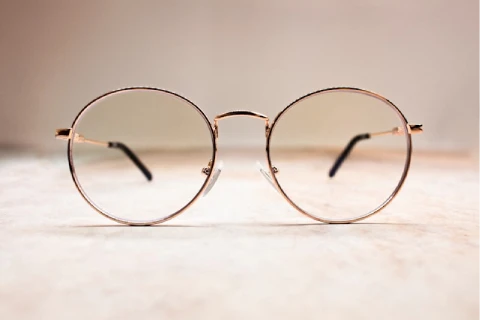
Choose a frame with enough width to match your face. Tiny round lenses can look costume-like, while frames that sit too high may crowd the eyebrows.
What people see: Thoughtful, creative, and probably carrying at least one oddly specific opinion.
4. Browline Glasses for Round and Oval Faces
Browline glasses place most of their visual weight across the top of the frame. That stronger upper line adds definition to round faces and draws attention toward the eyes.
They also suit oval faces because the shape follows the natural brow without disrupting the face’s balanced proportions. For diamond faces, a lightly curved browline can help soften prominent cheekbones while adding width near the forehead.
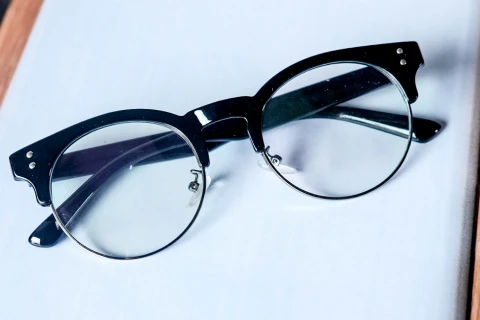
Avoid frames with an upper edge that sits too high or covers the eyebrows completely. The frame should follow the brow line, not fight it.
What people see: Sharp, self-assured, and probably already three steps ahead.
5. Rectangle Glasses for Round and Oval Faces
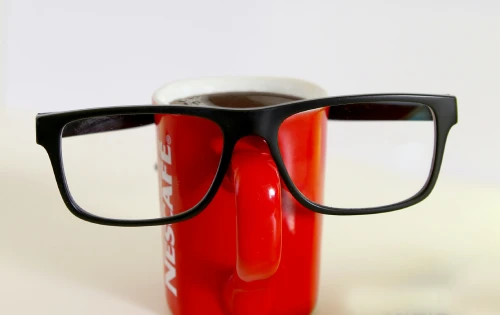
Rectangle glasses add structure with straight lines and a clean, simple shape. They work especially well on round faces because they create sharper edges and can make the face appear slightly longer.
Want more on putting looks together without overthinking? Check out our guide to smart casual that actually works in real life.
Oval faces can wear them too, but the frame should have enough height to keep the face from looking stretched. Long or oblong faces should avoid very narrow rectangles, since they can exaggerate length.
Choose a pair that sits comfortably across the widest part of your face without pinching at the temples.
What people see: Clean, capable, and suspiciously good at reading the instructions.
What Glasses Make Your Face Look Slimmer?
Do the Same Face-Shape Rules Apply to Sunglasses?
Yes. The same basic rules apply to sunglasses. Rounder faces usually benefit from sharper frames, while angular faces often suit softer curves.
When shopping online or in person, focus on frame width, lens height, and balance. Your glasses should complement your face shape rather than copy it.
Between two face shapes? Start with the closest match and try frames from both categories. Small changes in width, curve, and lens depth can make a bigger difference than the label itself.
Like pants, frame sizing can vary by brand. Two pairs labeled the same size may fit completely differently, possibly because they came from opposite ends of the same mysterious warehouse.

Want the technical breakdown? Vuarnet and Warby Parker both have solid guides if you want to geek out on the specs.
On the Nose
The best glasses for your face shape are the ones that create balance without looking forced. Softer faces usually benefit from sharper frames, while angular faces often look better with curves.
Use the face-shape guide as a starting point, then pay attention to width, lens height, and how the frames sit on your features. A technically “correct” style still looks wrong when the fit is off.
Good glasses should make your face look sharper, more balanced, and more intentional. Get that part right, and the frames stop looking like an accessory and start looking like they belong there.
Facial hair can change that balance too. If you wear a goatee, I use the same face-shape logic in my goatee style guide.