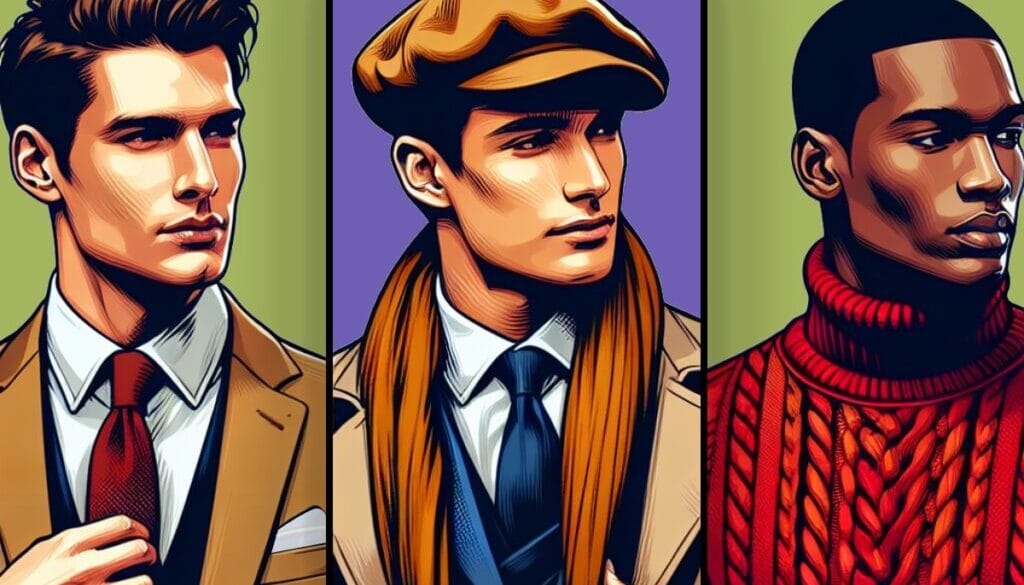
Crafting Your Look: Practical Men’s Style Tips
Matching clothes shouldn’t feel like a math test. You don’t need a palette wheel or some influencer’s idea of men’s style tips, which is just whispering about ‘pops of color’ and yelling “Work it Bitch!”
You want to look sharp? Stop treating your closet like a mood board. Stick to what works.
Are You Overthinking Color Coordination?
You don’t need a trust fund or a personal stylist to pull this off. You need a simple system, some reliable pieces, and about six colors that don’t fight each other.
Let’s break it down and make your mornings easier.
The Big Deal About Fashion’s Neutral Colors
Neutrals are like the trusty sidekicks of fashion—always there to back you up. They’re the steady base for outfits, helping you mix things up while still looking put together. Skip on these basics, and you might end up looking like you got dressed in the dark (Style Turner).
Neutrals are your ride-or-die. They never clash, they never judge, and they always make the rest of your outfit look smarter.
Your go-to gang:
Black – Sharp. Formal. Wears power like armor.
White – Clean. Versatile. Looks good on damn near anyone.
Gray – The peacekeeper. Works with everything.
Navy – Classy without trying.
Brown – Rich, grounded, grown.
Beige – Low-key elegant. Understated, not boring.
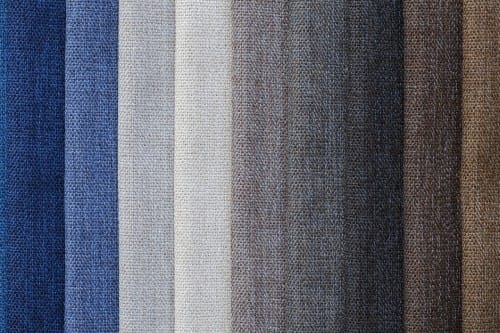
Stacking your wardrobe with these gives you infinite outfit combos without the mental effort.
Want more laid-back wardrobe ideas? Check out our guide to smart casual style Wear for Men.
Neutrals | Common Uses |
Black | Suits, pants, jackets |
White | Shirts, tees, sneakers |
Gray | Blazers, jumpers, trousers |
Navy | Suits, chinos, blazers |
Brown | Shoes, belts, bags |
Beige | Chinos, sweaters, coats |
The 50-40-10 Formula

Working Up a Color Strategy
Nailing a foolproof color strategy can change your wardrobe life. With a smart plan, your outfits just fall into place. One strategy I’d flag involves using 50% muted neutrals, 40% rich neutrals in different textures and patterns, and tossing in 10% loud colors for fun (Style Turner).
Here’s the lowdown on this color strategy:
- Muted Neutrals (50%): These pieces form the foundation of your wardrobe—essentials like pants, outerwear, and tees. Stick to staple colors like black, white, gray, and navy.
2. Saturated Tonal Neutrals (40%): Add some POP without straying from the core. Go for charcoal blazers, camel coats, and navy sweaters.
3. Bold Colors (10%): Use them like spice—just a pinch for some kick. Think of a sassy red tie or a bold purple pocket square.
Here’s a handy chart that lays it out:
| Color Category | Percentage | Examples |
|---|---|---|
| Muted Neutrals | 50% | Black pants, white shirt, navy coat |
| Saturated Tonal Neutrals | 40% | Gray blazer, brown shoes, beige chinos |
| Bold Colors | 10% | Red tie, green scarf, vibrant jacket |
It works because it mirrors how people actually see you: First, the outfit. Then the texture. Then the pop.
Confused about what matches navy? Our color combo guide for Navy blue pants should clear things up.
If you’re new to this or want to brush up I can think of no better place to start than here… AFTER you read A Beginner’s Guide: 16 Essential Style Tips For Guys Who Want to Dress Better, more like this at theessentialman.com.
Constructing Stylish Outfits
Don’t build outfits. Assemble uniforms. Things that already work together. No guessing.
Start with your 50% piece. Add a 40% layer or texture. End with a 10% flex.
Need inspo? Our spring outfit guide for men shows how to layer like it’s second nature.
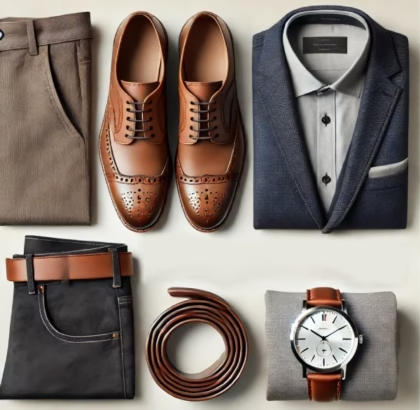
Accessories pull it all together. Belt, watch, pocket square.. tiny detail, big payoff.
Want to upgrade with accessories? Our guide to men’s chains shows you how to pull it off without looking try-hard.
Here’s my secret sauce: a little something I like to call the 50-40-10 formula. It’s a straightforward way to keep your outfits looking solid. Picture this.. you’re using base colors for that strong start, secondary colors to mix things up, and a dash of accents for a wow factor.
- 50% Base Colors: Start with the classics like blacks, whites, grays, and navy. They’re your trusty sidekicks, the dependable part of your outfit.
- 40% Secondary Colors: Mix in some subtler shades like olive or burgundy to give your looks a little extra something. It’s like adding a surprise twist to a plot.
- 10% Accent Colors: Finally, bring in that last bit of flair—your pops of color that catch the eye, but don’t steal the show.
Flexibility in Outfit Creation
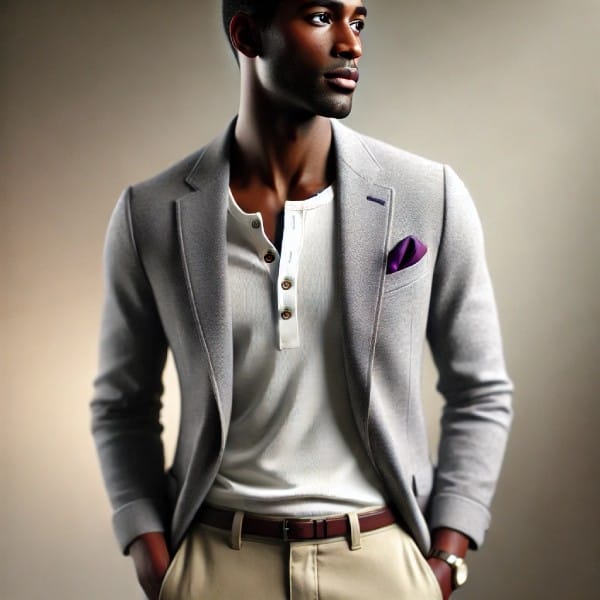
Remember, the 50-40-10 formula isn’t carved in stone. Think of it as more like guidelines than actual rules, as Style Turner notes. Mess around with these ideas and let your style shine through.
Being flexible means picking clothes that like to play nice with everything else in your wardrobe. This way, you’ll save some cash and still make an impression. Here’s how:
- Invest in versatile pieces: You can’t go wrong with staples like a navy blazer, some snug jeans, and a neat white shirt. These bad boys can transform with a mood swing. Dive into more ideas in our piece on Spring outfits for guys!
- Layering: Feeling a bit chilly? Toss a sweater or jacket over a basic tee, and just like that, you’ve got something fresh.
- Accessories: These little guys pack a punch. Whether it’s a cool watch, a slick belt, or a classy pocket square, they can switch up your style game.
The Real Victory
Style is a cheat code. Not for impressing other people, but for becoming the guy you see in your head when you feel most like yourself.
The fashion industry wants you confused and insecure because that’s how they sell you $300 t-shirts. But confidence doesn’t come from a price tag. It comes from knowing you’ve got your basics locked down and you look exactly how you want to look.
Six colors. Three ratios. Zero bullshit.
Now go make them look twice.
Speaking of history, “Miss the 90s? Or never lived ‘em but wish you had? My guide to Men’s 90s Clothing & Style breaks down the fits, tribes, and rules so you can wear it now without looking like you’re headed to a costume party.”